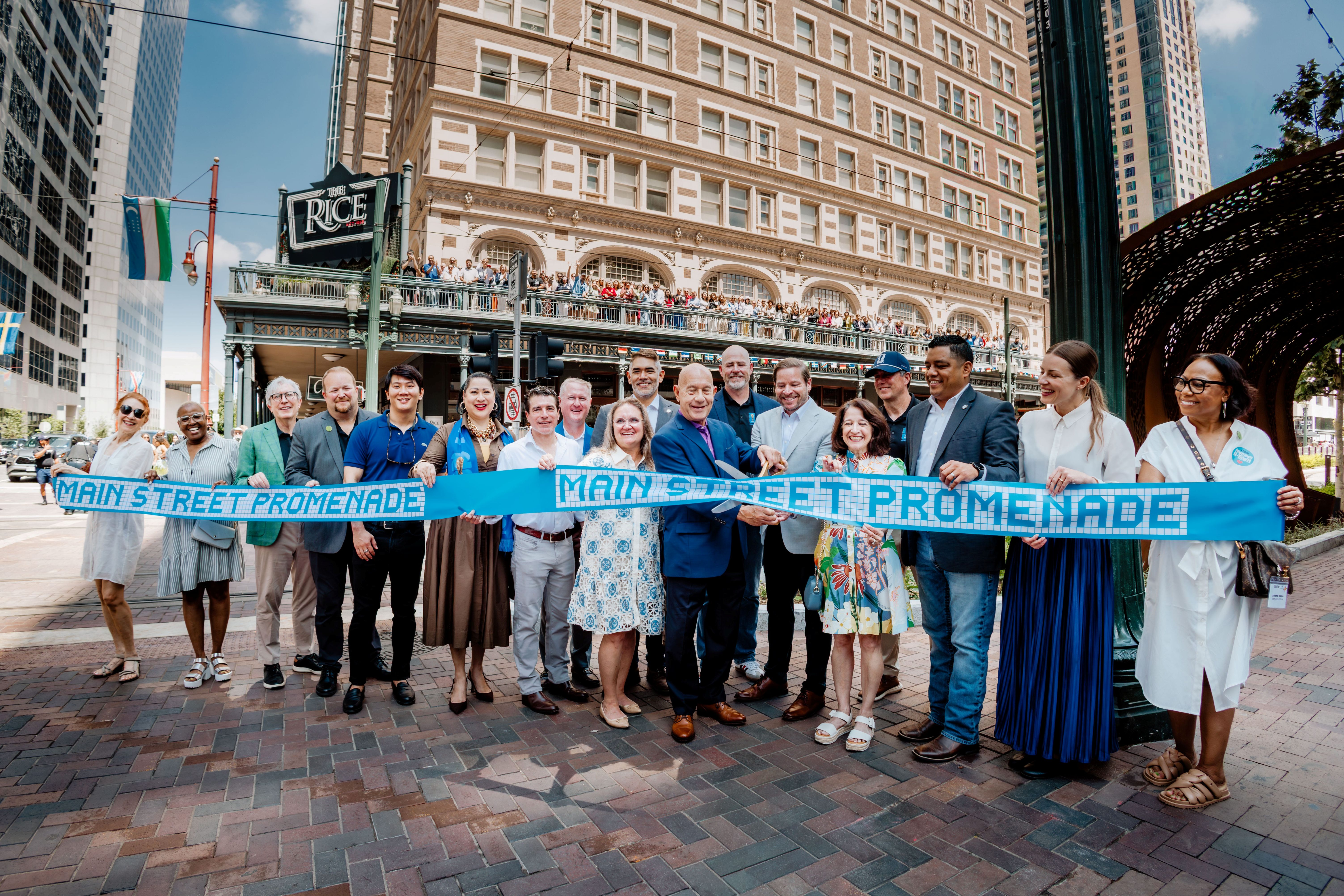
As Houston welcomes visitors from around the world this summer, the newly opened Downtown Main Street Promenade offers a glimpse into the future of downtown public space.
Stretching 11 blocks through the heart of the city, the promenade transforms a former vehicle-dominated corridor into a vibrant, pedestrian-focused destination designed for gathering, connection, and everyday life. While the project arrives at a moment when Houston is preparing to host a global audience for the FIFA World Cup, its impact extends far beyond a single event. It reflects a growing shift in how cities think about streets; not simply as transportation corridors, but as places that shape community life.
A Street That Has Always Evolved
For more than a century, Main Street has played a central role in Houston's identity. It has served as a commercial corridor, transportation spine, and cultural connector linking some of downtown's most important destinations.
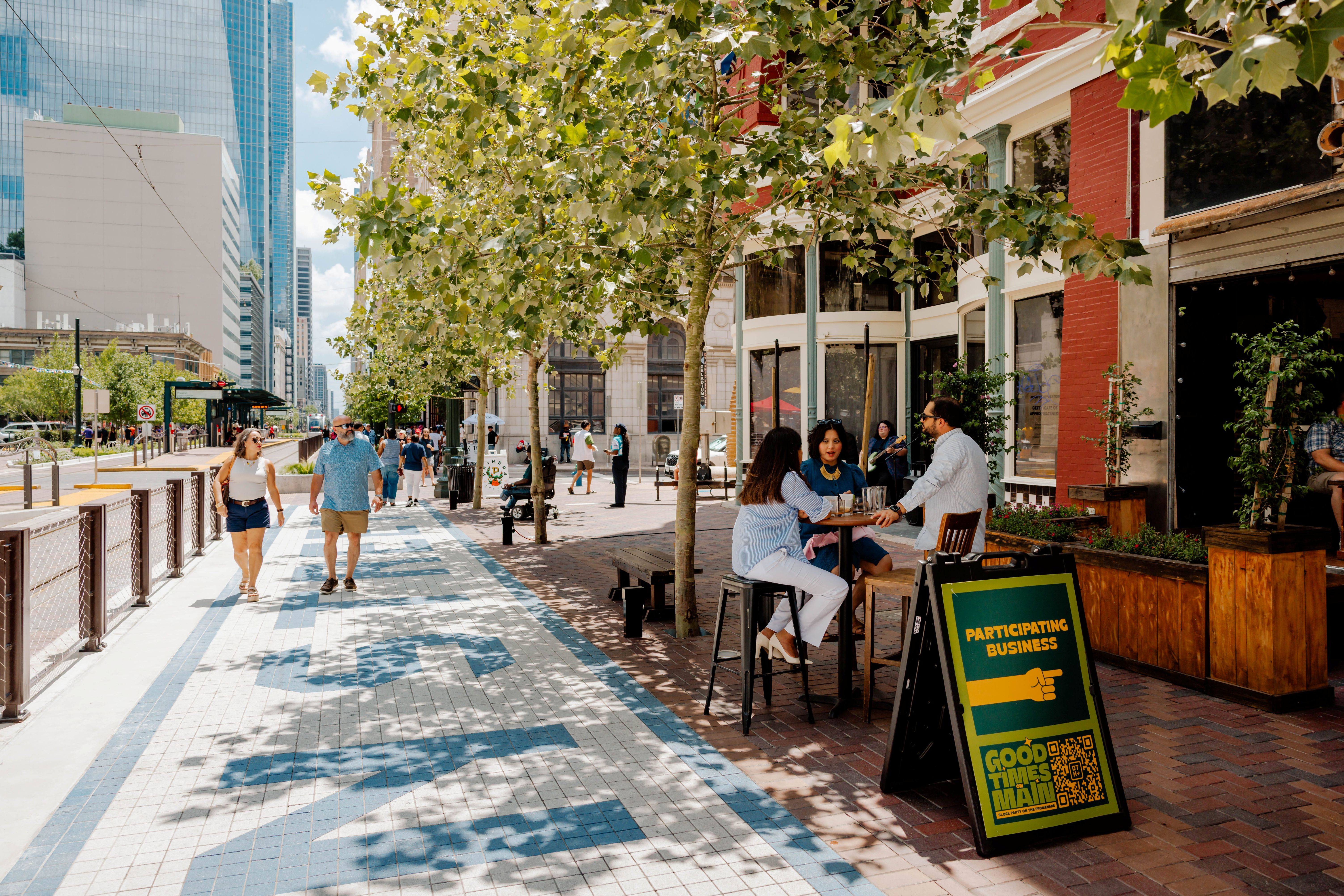
Like the city itself, Main Street has continually adapted to changing needs. The latest chapter in its evolution began during the COVID-19 pandemic, when portions of the corridor were temporarily closed to vehicles to support businesses and create additional space for outdoor activity through the More Space: Main Street initiative. What started as a short-term response revealed a broader opportunity: reimagining Main Street as a place for people.
The Power of a Temporary Experiment
For Main Street, temporary street closures created opportunities for outdoor dining, gathering, and business activation that allowed residents, visitors, and stakeholders to experience the corridor in a new way. Rather than asking how quickly the street could return to its previous condition, the community began asking what it could become.
That shift in perspective helped generate support for a permanent transformation. Through extensive engagement with public agencies, business owners, stakeholders, and community members, more than 2,900 pieces of feedback informed a shared vision for the future of Main Street.
Designing Beyond the Physical Space
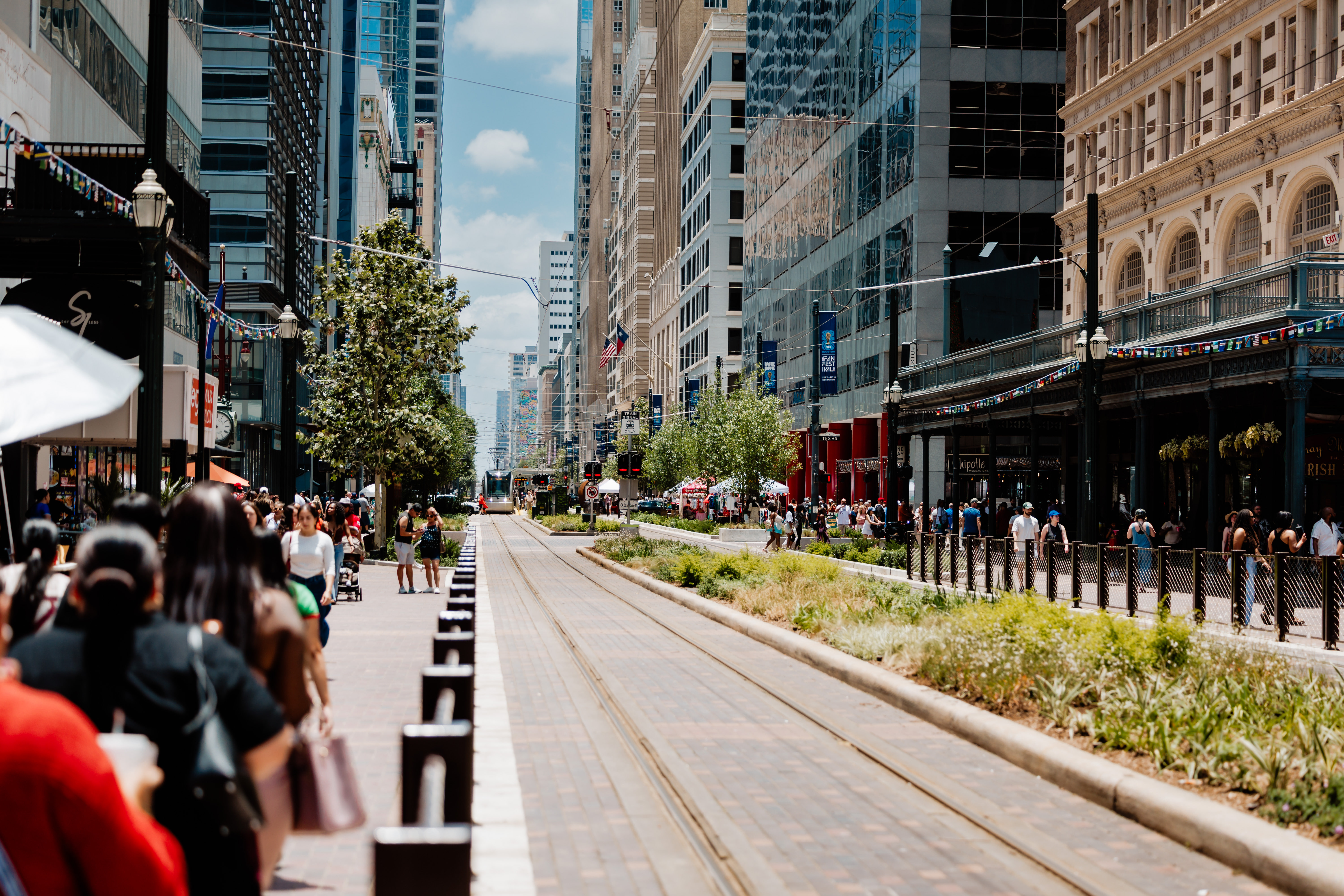
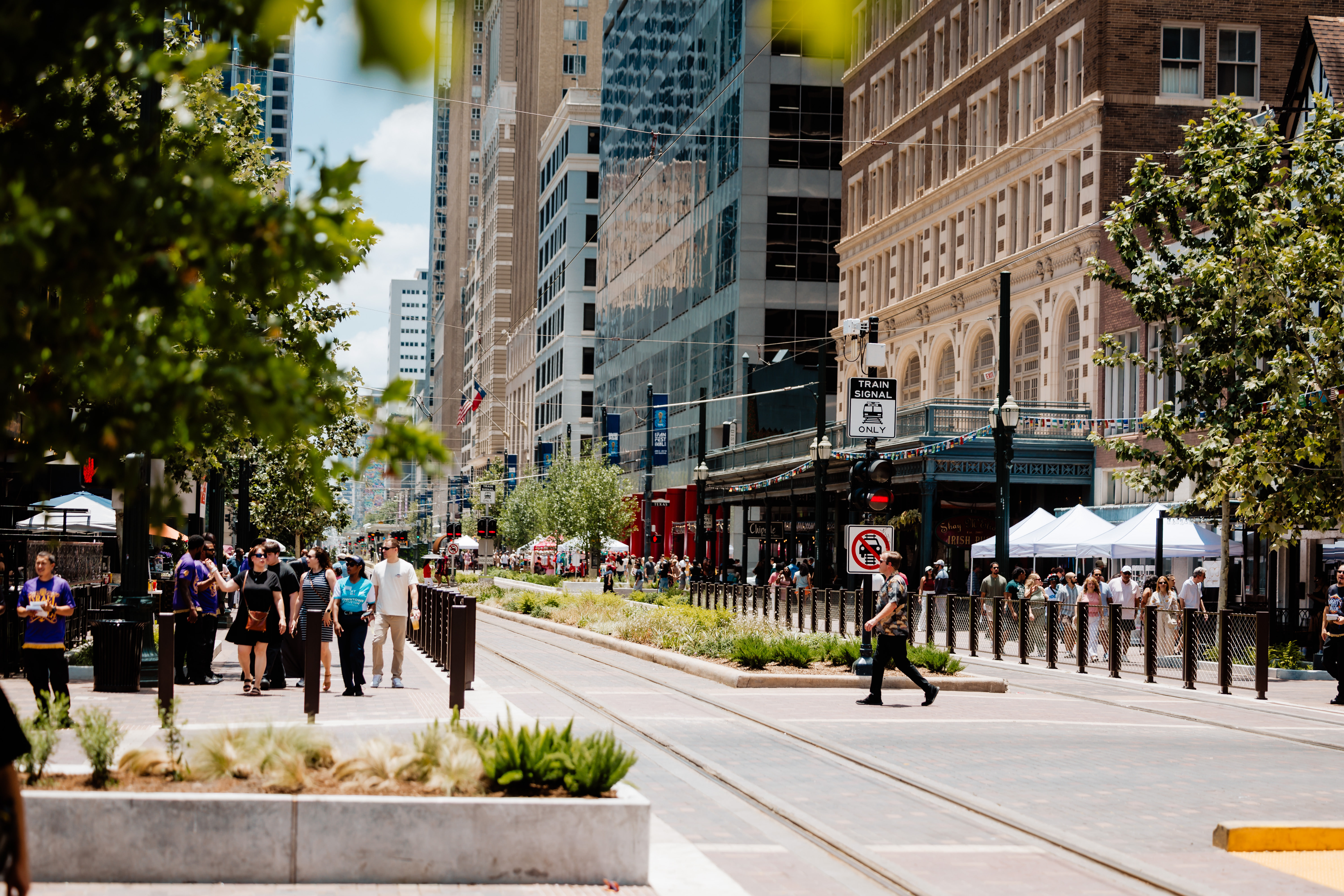
Expanded pedestrian amenities, gathering spaces, enhanced landscaping, and public art create a more welcoming downtown experience, while more than 90 trees and 18,000 plants contribute to a greener and more comfortable urban environment. Historic markers, public art, and a renewed streetscape identity help reinforce the corridor's unique character and sense of place.
Equally important was establishing a framework for long-term stewardship. Public spaces thrive when they are actively managed, programmed, and cared for, ensuring they remain vibrant destinations long after construction is complete.
A New Definition of Downtown Infrastructure
Cities are increasingly recognizing that streets can do more than move people efficiently from one place to another.
Beneath the streetscape, the project also incorporates resilient green infrastructure designed to support long-term landscape performance. Planting areas throughout the corridor function as bioswales, capturing and treating stormwater before it enters Buffalo Bayou while allowing water to infiltrate and recharge subsurface conditions. The project also dramatically improves growing conditions for the urban tree canopy. Each tree has access to approximately 850 cubic feet of soil through a combination of planting areas and Silva Cells located beneath walking surfaces, more than four times the volume available under the corridor's previous conditions, where trees averaged less than 200 cubic feet of viable soil. This significant investment in soil volume and water management will support healthier, longer-lived trees and allow them to reach a much larger mature size than is typically possible in urban environments, providing greater shade, comfort, and environmental benefits for decades to come.
They can strengthen local economies, support community life, create memorable experiences, and foster a stronger sense of place. The Downtown Main Street Promenade reflects this evolving perspective by transforming everyday infrastructure into a civic asset that serves residents, businesses, and visitors alike.
Looking Ahead
As cities continue to rethink the future of their downtowns, Houston's Main Street offers an important reminder: the most successful streets are not designed solely for transportation.
They are designed for people.
And when cities invest in places that encourage connection, comfort, and community, they create value that lasts far beyond any single event or moment in time.
Images in this article used with permission from Downtown Houston+